NATUROPATHIC DOCTOR AT SAGEMED · BELLEVUE, WA
Dr. Kenzi Cavanaugh
Integrative medicine that looks for the why behind your symptoms.

About My Approach
I'm a naturopathic doctor who looks at the whole picture. Hormones, skin, gut health, and metabolism don't work in isolation, so I don't treat them that way.Labs that tell the full story. In-depth testing when appropriate, plus a detailed review so you understand your results and your plan.Targeted treatment. We find what's driving your symptoms, then build an integrative plan, blending conventional and naturopathic approaches, to treat not just your symptoms, but their upstream causes.
Integrative Aesthetics & Regenerative Medicine
Aesthetic and regenerative treatments that work with your body, paired with a whole-body approach to skin health, so you look and feel your best from the inside out.
Services
Hormone Optimization
Hormones affect everything from energy and mood to sleep, skin, and metabolism. Your visit includes a detailed look at your symptoms, baseline labs, and a clear plan: whether hormone therapy is right for you, which option fits best, and how to support your body's own hormone balance and resilience.Options may include: bioidentical pellet therapy (BioTE), conventional HRT (topical, injectable), and compounded formulations when appropriate.Free hormone consults available.
Integrative & Functional Medicine
New patient visits and ongoing care focused on the root cause of your symptoms, including gut health, skin concerns, fatigue, and metabolic health. Includes in-depth lab review and a personalized plan that blends conventional and naturopathic medicine.
Wellness & Preventive Care
Routine check-ins, preventive screenings, and labs to keep you on track and catch changes early, with an integrative lens.
Pain & Regenerative Medicine
Shockwave therapy: noninvasive acoustic waves that stimulate the body's repair response in tendons and soft tissue. Commonly used for plantar fasciitis, tendon pain (shoulder, elbow, Achilles), and other chronic soft-tissue pain.PRP (platelet-rich plasma): uses your own concentrated platelets to support healing in joints and tendons, most commonly knee osteoarthritis and chronic tendon injuries.Hyaluronic acid injections: lubricating injections for knee osteoarthritis pain.
Regenerative Aesthetics
Opus Plasma:
A skin resurfacing treatment that combines radiofrequency energy with plasma to improve texture, fine lines, tone, and scarring, with less downtime than traditional lasers. Often done as a series and paired with an integrative skin-support plan.Free Opus consults available.Microneedling with PRP, PDRN, or exosomes:
Microneedling creates tiny controlled channels in the skin to stimulate collagen and renewal. It can be paired with regenerative serums like PRP (from your own blood), PDRN, or exosomes to support recovery and results. Commonly used for texture, fine lines, pores, acne scarring, and under eyes.Personalized skin support:
A whole-body plan for healthier skin: medical-grade skincare, targeted nutrition and supplements, peptides, and addressing internal drivers like hormones, gut health, and inflammation.
Dr. Kenzi's Library
Free guides and articles on hormones, skin, and whole-body health
ARTICLES
SKIN + JOINTS
Meet HA: The Moisture Molecule
Why the same molecule keeps your knees gliding and your skin glowing
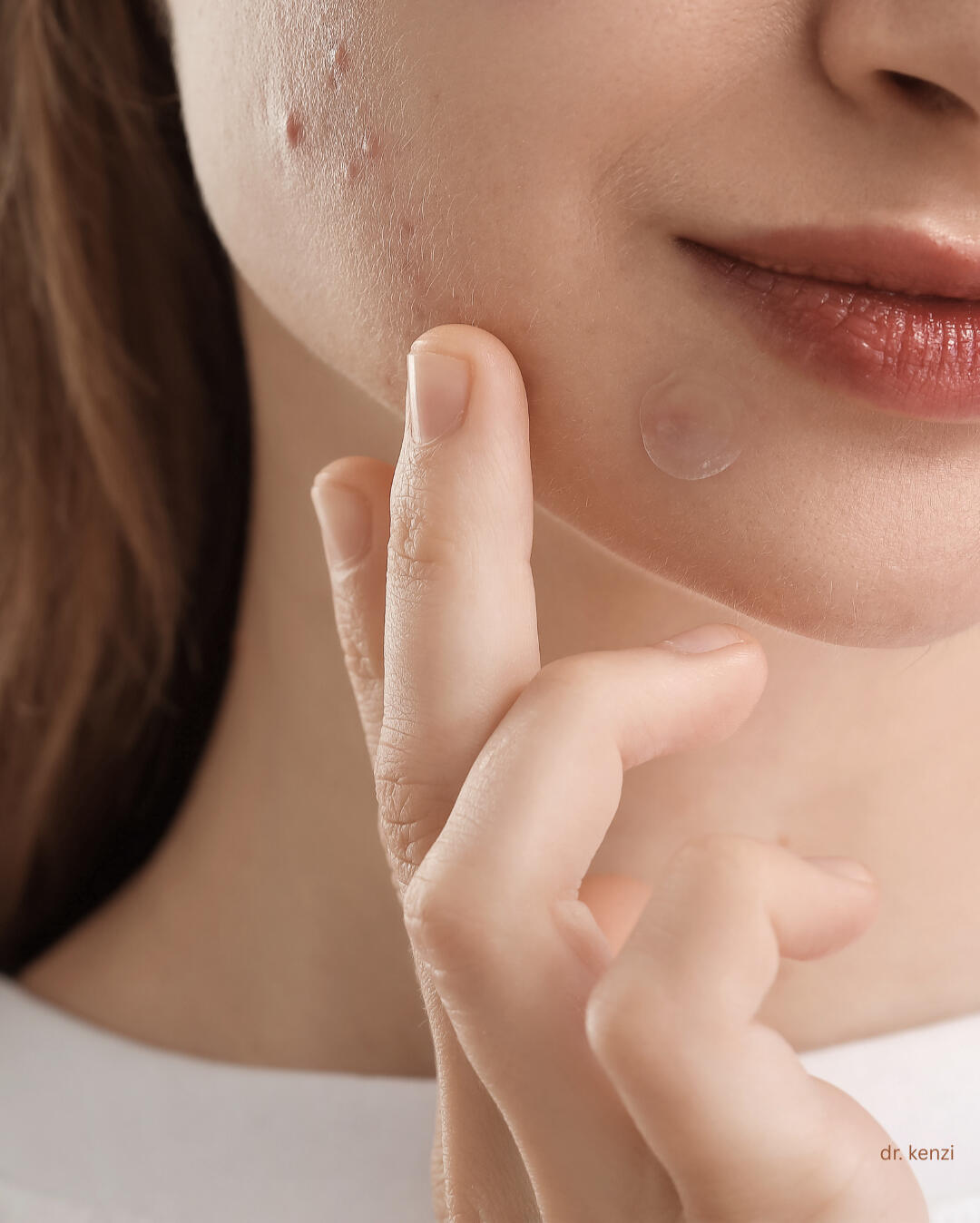
SKIN + HORMONES
Is My Jawline Acne "Hormonal"?
What "hormonal acne" really means, and why the cause matters more than the label
SKIN + JOINTS
Meet HA: The Moisture Molecule Behind Happy Knees & Glowing Skin
By Dr. Makenzi Cavanaugh · September 2026
Creaky knees and thirsty skin have something in common. Both depend on hyaluronic acid (HA), a molecule your body makes to keep tissues cushioned, hydrated, and moving. You probably know it from serum labels. It is also FDA-approved as a knee injection.
Your body's built-in moisture magnet
HA is a natural sugar-based molecule (not a harsh acid) that grabs water and turns it into a smooth, slippery gel. Your body uses it to cushion joints and plump skin. The catch: production slows with age, and inflammation breaks down what you have.
For your knees: oil for the engine
Your knee is lined with a thin tissue called the synovium, which makes synovial fluid, the joint's natural lubricant. HA is what makes that fluid thick and slippery, like motor oil. In osteoarthritis, the fluid thins out, and less glide means more friction, stiffness, and pain.An HA injection places purified HA gel right into the joint to:
Restore lubrication so the joint moves more smoothly
Add shock absorption for walking, stairs, and squats
Help calm the joint: research suggests HA may reduce inflammation, which could explain why relief can outlast the gel
HA injections have been FDA-approved for knee osteoarthritis pain since the late 1990s for people who have not gotten enough relief from exercise and simple pain relievers.
For your skin: hydration from the inside out
Much of your body's HA lives in the deeper layer of your skin, holding water so it looks plump and smooth. Age, sun, and hormonal shifts deplete it. Serums hydrate the surface, but most HA is too large to reach deeper. Microneedling helps in two ways:
Expect smoother texture and a dewier glow over a series of treatments.
Where hormones come in
Your hormones help set how well your skin holds onto HA and moisture:
Estrogen: skin cells have estrogen receptors, and estrogen helps skin make HA and retain water. When estrogen drops in perimenopause and menopause, many women notice drier, thinner skin that loses its bounce faster.
Cortisol: long-term steroid medications can lower the skin's HA production, one reason prolonged steroid use can thin the skin.
This is part of why we look at skin health through a whole-body lens.
Is HA right for you?
Knee injection: you have knee osteoarthritis or ongoing knee pain, have tried the basics without enough relief, and want to stay active
Microneedling with HA: you notice dryness, dullness, uneven texture, or fine lines and want to support your skin's own collagen and hydration, with results that build over time
SKIN + HORMONES
Is My Jawline Acne "Hormonal"? What That Word Really Means
By Dr. Makenzi Cavanaugh · September 2026
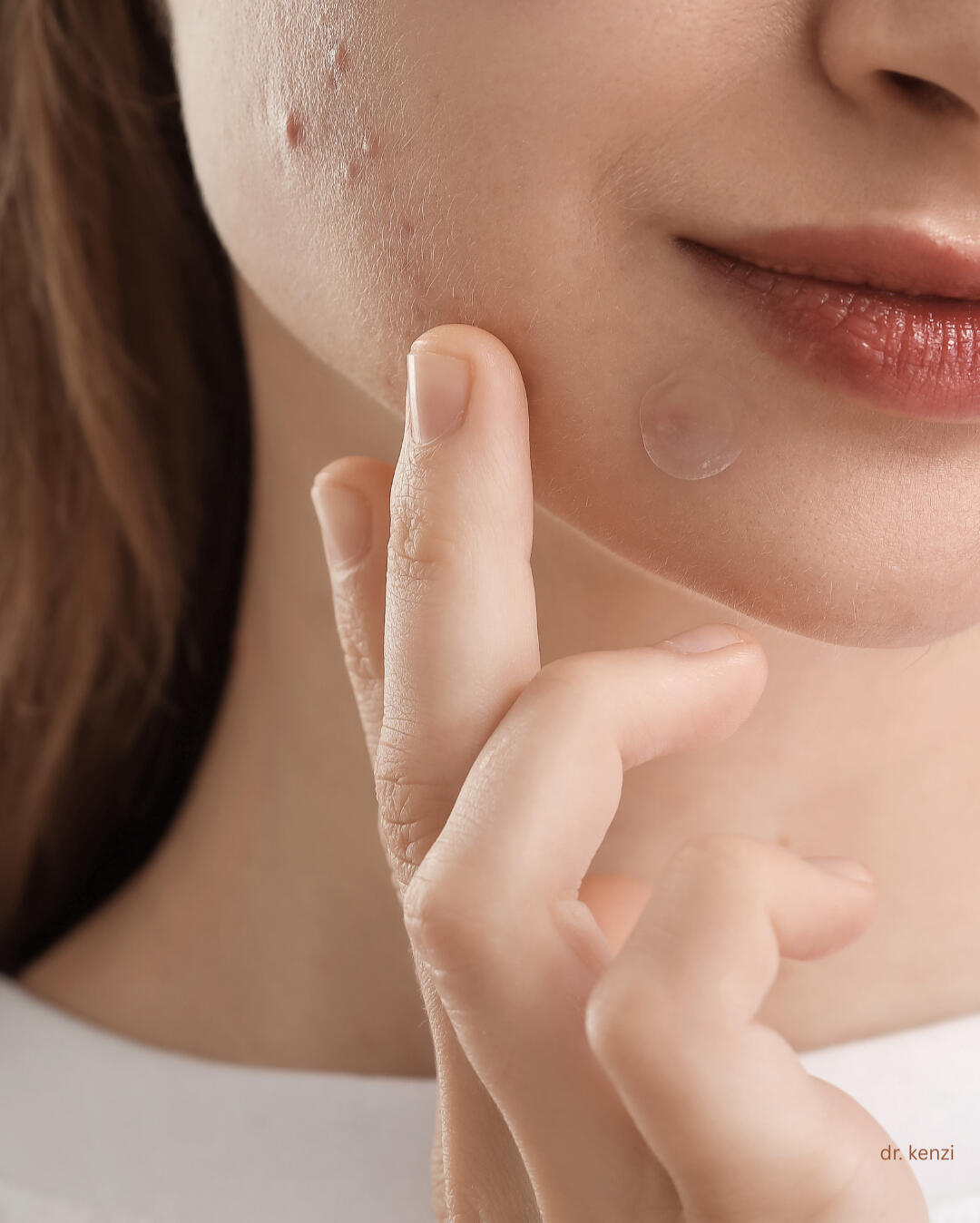
Jawline breakouts get labeled "hormonal" almost automatically. Sometimes that's right. Often it's only part of the story. "Hormonal acne" isn't an official diagnosis, and the same-looking bumps can have very different causes, which is exactly why so many people cycle through products that never quite work.
First, what counts as "true" acne?
When most people say "acne," they mean acne vulgaris: the classic clogged-pore breakouts, including blackheads, whiteheads, red bumps, and deeper tender spots.
Acne vulgaris forms when four things come together: extra oil, pores clogged with dead skin cells, acne-related bacteria, and inflammation. Some bumps look like acne but have a completely different cause. We'll get to those look-alikes below.
All true acne is a little bit hormonal
Androgens are hormones like testosterone that everyone has, men and women alike. They signal oil glands to grow and make more oil, which is why acne usually starts at puberty and rarely develops without androgen activity. So in a sense, all acne vulgaris involves hormones.The real question is whether your skin is simply sensitive to normal hormone levels (very common), or whether something is actually shifting your hormones.
When hormones really are the main driver
• Testosterone therapy or anabolic steroids: extra testosterone means extra oil, and acne is a common side effect of TRT. New or worsening breakouts are worth reviewing with your prescriber, since dosing and labs may need a look.
• PMOS (formerly called PCOS): acne alongside irregular periods, extra facial or body hair, or scalp hair thinning can point to PCOS, which often involves blood sugar and insulin too.
• Menstrual cycle shifts: many people who menstruate notice flares in the week before their period.
• Birth control changes: stopping the pill, or starting some progestin-only methods, can trigger breakouts.
• Sudden or severe acne at any age: this deserves a closer look, especially if it comes with other body changes.
One surprise: a jawline pattern is a clue, not proof. Many people with jawline acne have completely normal hormone levels on lab testing.
Other causes that have nothing to do with hormones
• Diet: high-sugar, high-glycemic eating has the strongest link to acne. Dairy and whey protein may play a role for some people, though the research is still developing.
• Gut health: the “gut-skin connection” is getting a lot of attention, for good reason. People with acne tend to have different gut bacteria, and microbiome-focused treatment may help alongside other treatments. The link is strong for rosacea, where treating bacterial overgrowth in the small intestine (SIBO) has been shown to improve skin in these patients. When gut symptoms are part of the picture, more in-depth testing, such as breath testing for SIBO or a comprehensive stool analysis, can look for infections, inflammation, and imbalances that routine labs don’t capture. It’s one more piece we look at, not a one-size-fits-all fix.
• Medications and supplements: steroids, lithium, some seizure medications, and high-dose vitamin B12 can all trigger breakouts. Some people also notice breakouts with high-dose biotin, common in hair, skin, and nail supplements, though the evidence is mostly anecdotal. Biotin can also throw off certain lab results, including hormone and thyroid tests, so mention it before any bloodwork.
• Friction and products: helmets, masks, phones, makeup, hair products, and even skincare can clog pores and cause acne.
• Stress and poor sleep: both can make breakouts worse.
The acne look-alikes
• "Fungal acne": a yeast overgrowth in hair follicles, often small, itchy, uniform bumps on the forehead, chest, or back.
• Bacterial folliculitis: infected hair follicles that can look like pimples.
• Razor bumps: ingrown hairs along the beard line and jaw, very common in people who shave.
• Perioral dermatitis: clusters of small bumps around the mouth, nose, or eyes.
• Rosacea: redness and bumps on the cheeks, nose, and chin, usually without blackheads.
Why guessing can backfire
Here's the tricky part: the wrong treatment can make things worse. Antibiotics can worsen fungal acne. Steroid creams can flare perioral dermatitis. Harsh acne products can inflame rosacea. And no cream will fully fix acne that's being driven by a medication, dysbiosis, blood sugar, or a hormone shift.The good news: once the cause is clear, there are very effective options.
What actually helps
Treatment ultimately depends on what's driving your acne, but common options include:
• Topical treatments like retinoids, azelaic acid, and benzoyl peroxide
• Spironolactone, a prescription used mainly for women that blocks androgen effects at the skin
• Blood sugar, nutrition, and stress support as part of the bigger picture
You'll also see supplements like DIM, spearmint tea, or zinc promoted for hormonal acne. The research on these is limited or mixed, so at best they're add-ons within a bigger plan, not stand-alone fixes.
The bottom line
"Hormonal" isn't a diagnosis. It's a starting point. Figuring out what's really behind your breakouts, whether it's hormones, a medication, your diet, a look-alike, or a mix, is what turns a frustrating guessing game into a plan that works.That's where an integrative approach shines. We look at your skin, your history, your medications, your labs, and your lifestyle together to find the root cause, not just the symptom.